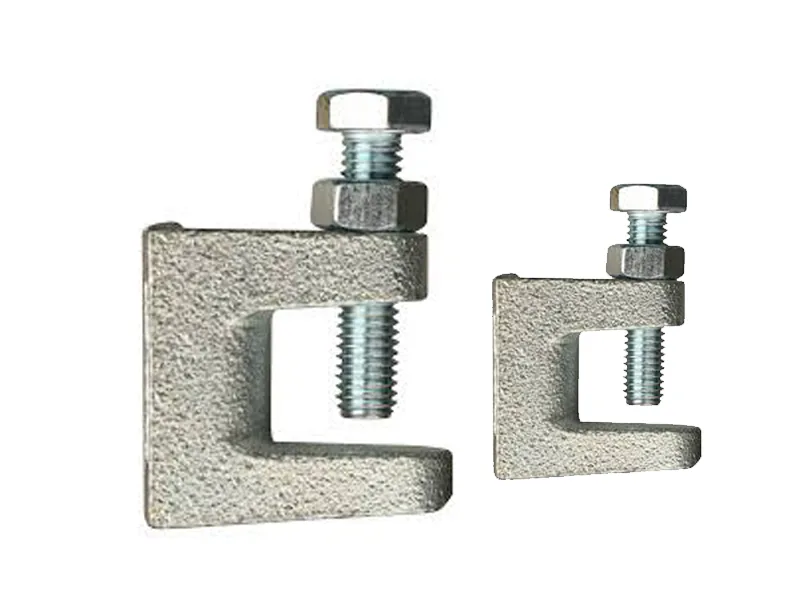
A product photo is often where an international sourcing conversation begins. A buyer finds a beam clamp, shackle, wire rope clip or turnbuckle online and sends the photograph to several suppliers in China.
“Can you manufacture this?”
“Please quote your best price.”
For an experienced rigging hardware manufacturer in China, the photograph may be enough to identify the general product. But there is an important difference between identifying a product and knowing exactly what needs to be manufactured.
That difference matters when preparing an accurate quotation.
A Photo Shows the Product. A Drawing Defines It.
Consider two beam clamps placed next to each other. From a photograph, they may appear almost identical. Look more carefully at the specification and the differences may become clearer:
- The overall dimensions and tolerances may be different.
- The threaded connection may follow a different standard or size.
- The opening or flange range may not be the same.
- The material grade or manufacturing process may differ.
- The required surface treatment, marking or packaging may be different.
- Applicable working load, testing or traceability requirements may not match.
For a beam clamp intended for structural support or suspension applications, these details need to match the requirements of the intended installation.
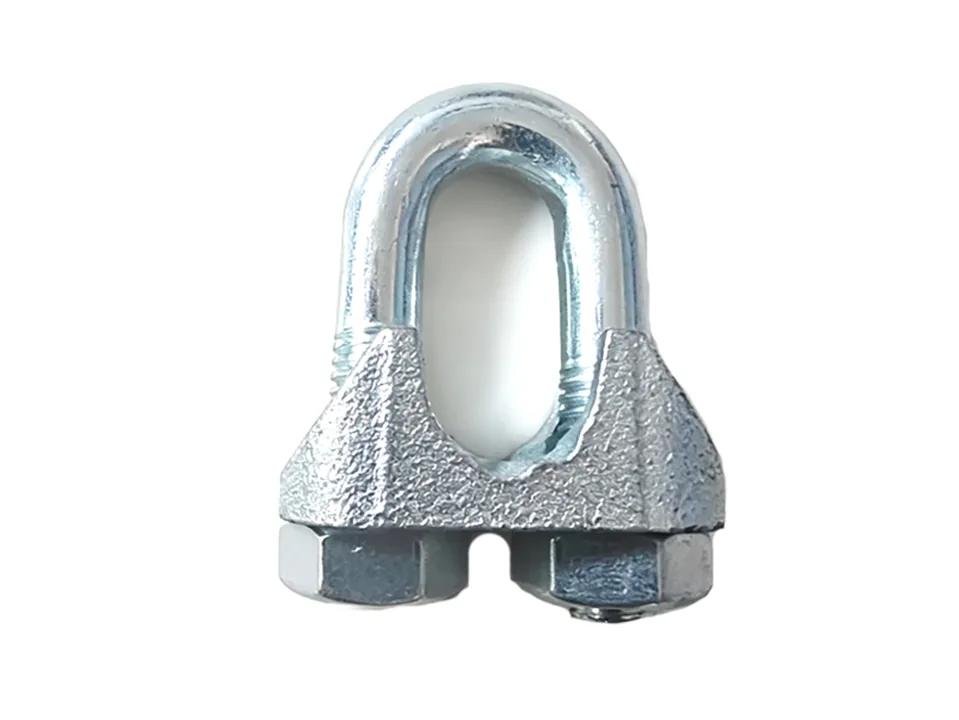
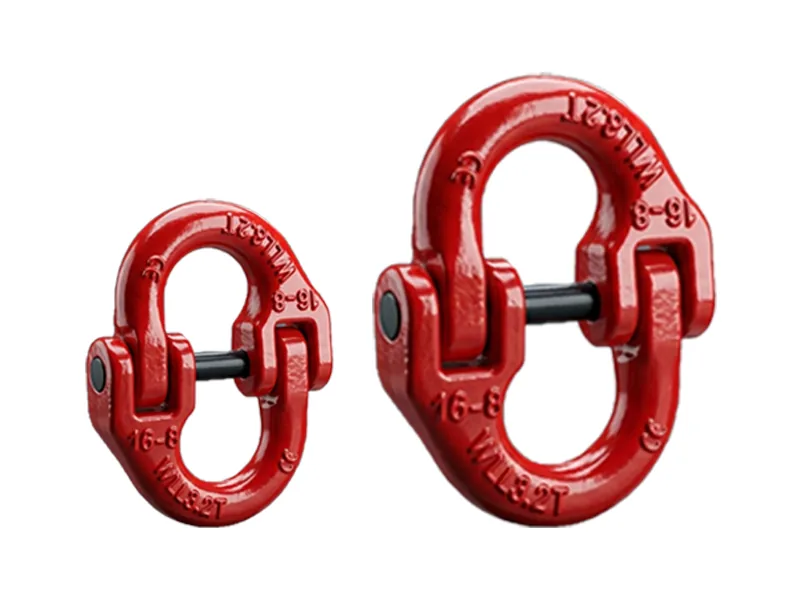
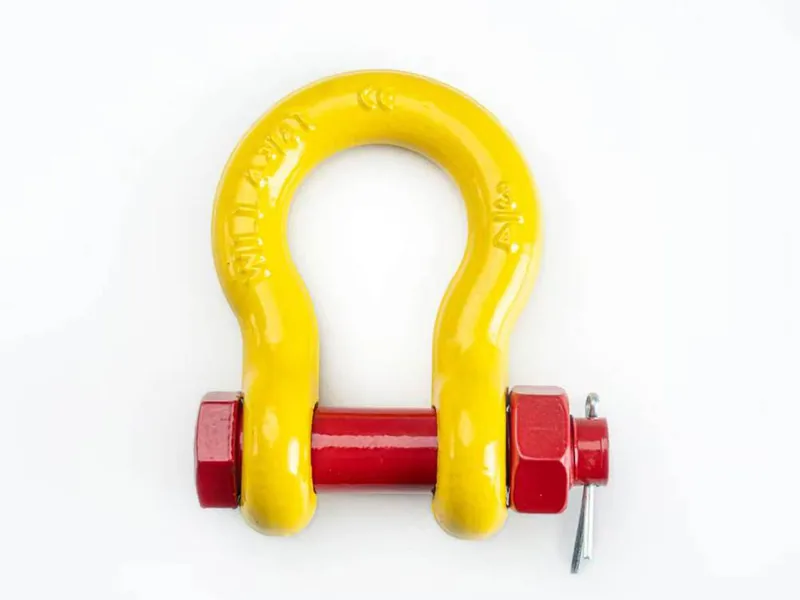
The same principle applies to other hardware products. Two shackles may have a similar shape but different dimensions, pin designs, material requirements or load ratings. Two wire rope clips may look almost identical until the dimensions, manufacturing process or finish are compared.
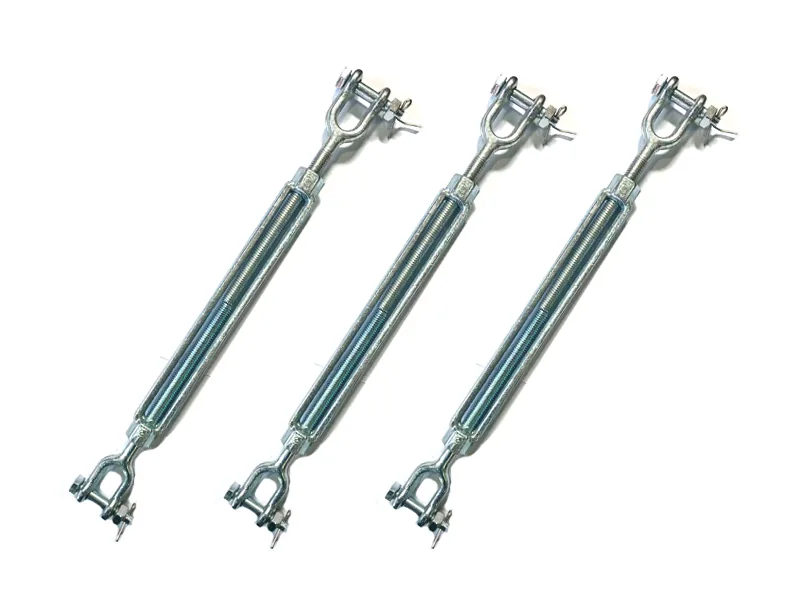
Two turnbuckles can share the same general appearance while having different end fittings, thread standards, adjustment ranges and performance requirements.
The photograph can start the conversation. It should not finish the specification.
Why This Matters When Comparing Quotations
Suppose a buyer sends the same product photo to three rigging hardware suppliers in China.
Supplier A quotes one price. Supplier B is 8% lower. Supplier C is 12% higher.
At first glance, comparing the three prices seems straightforward. But are all three factories actually quoting the same specification?
If one quotation is based on a different material, dimension, surface treatment, testing plan, marking or packaging requirement, the prices are not directly comparable. This is why the lowest quotation does not always tell the whole story.
Before comparing price, buyers should make sure each supplier is quoting against the same product requirements and the same drawing revision.
What Information Should a Buyer Provide?
The ideal starting point is usually a technical drawing containing the dimensions and specifications that affect manufacturing, inspection and use.
When a complete drawing is not available, the sourcing process does not have to stop. An existing physical sample can be useful. Clear product photographs combined with key measurements may also provide enough information to begin a preliminary review.
Depending on the item, useful information may include:
- Overall dimensions and critical tolerances
- Material grade and manufacturing process
- Thread type, standard, direction and size
- Surface treatment and corrosion-resistance requirements
- Required quantity and destination port
- Product markings, traceability and packaging
- Applicable customer, product, load or testing requirements
- Intended application and installation conditions
- Drawing number and current revision
The exact information required depends on the product. A beam clamp, shackle, wire rope clip, connecting link and turnbuckle should not automatically be evaluated using the same checklist.
Why Samples Still Matter
Even when drawings are available, samples can provide information that is difficult to communicate on paper. A sample allows the buyer and manufacturer to compare physical geometry, fit, finish and visible details. It can also help clarify an incomplete legacy drawing or a product the buyer wants to reproduce.
However, a sample alone may not confirm the material grade, heat treatment, internal properties or load performance. It should not become an excuse to ignore specifications.
The strongest sourcing process often combines both: a physical reference for comparison and a controlled specification for production.
Small Details Can Become Large Problems
Many sourcing problems do not begin with dramatic mistakes. They begin with small assumptions:
- A thread was assumed rather than confirmed.
- A dimension was taken from a similar model.
- A finish looked correct in the photograph but was never specified.
- A marking or packaging requirement was discussed but omitted from the approved production information.
- A drawing changed, but the revision used for the quotation and purchase order was not identified.
Individually, these may seem minor. Across hundreds or thousands of pieces, they can become expensive problems. Clarifying the requirement before production is usually easier than discussing a correction after the goods have already been manufactured.
Good Suppliers Ask Questions
Some buyers may wonder why a manufacturer asks several questions before providing a final quotation. In many cases, those questions are a good sign.
A supplier who wants to understand dimensions, material, finish, quantity, application and performance requirements is trying to determine what the customer actually needs. This does not mean every inquiry requires days of technical discussion. For standard products, the process can be simple. But when something is unclear, asking before production is better than guessing.
Price Should Come After Understanding the Product
Competitive pricing is important in international trade. Importers and distributors have their own markets, competitors and margins to consider.
But a useful price needs to be connected to a clear product specification. Otherwise, a very low quotation can become expensive later if the product must be remade, modified or replaced.
The purpose of confirming specifications is not to make purchasing more complicated. It is to make price comparison more meaningful.
Working With a Rigging Hardware Manufacturer in China
China has a large manufacturing base for rigging and industrial hardware, giving international buyers many suppliers to choose from. The question is not simply whether a factory can show a similar product in its catalogue.
More useful questions include:
- Does the manufacturer understand your specification?
- Can important details be confirmed before production?
- Can the agreed requirements be maintained during manufacturing and inspection?
- Is communication clear when something needs clarification?
- Is the approved drawing revision referenced consistently in the quotation, purchase order and production documents?
These factors become increasingly important for importers and distributors placing repeat orders.
Frequently Asked Questions
Can a rigging hardware factory quote from a product photo alone?
A photo may support a preliminary review. For an accurate and comparable quotation, also confirm the dimensions, material, thread, finish, quantity, packaging and any applicable performance or testing requirements.
What should a buyer include in a drawing or specification?
The required details depend on the product, but commonly include dimensions and tolerances, material, thread information, surface treatment, markings, packaging, quantity and applicable product, load or testing requirements.
Is a physical sample enough to define the product?
A sample is valuable for geometry and visible details, but it may not establish material grade, heat treatment, internal properties or load performance. A sample works best together with an approved specification.
Why can quotations for the same product photo vary between suppliers?
Suppliers may be assuming different dimensions, materials, processes, finishes, testing, markings or packaging. Quotations become comparable only when every supplier prices the same confirmed specification and revision.
Y.F METAL: Manufacturing Support in China
At Y.F METAL, we manufacture turnbuckles, shackles and beam clamps in Handan, China. We also supply selected related rigging hardware, including wire rope clips, for international buyers.
If you have a drawing, send the drawing and revision. If you have a sample, tell us about the sample. If you only have photographs, send the clearest images available together with the key dimensions, intended application, quantity, finish, performance requirements and destination port.
We can begin with a preliminary review and identify what still needs to be confirmed before quotation and production.
A product photo can help us recognize what you are looking for. Clear specifications help us understand what you actually need.
Send Us Your Drawing or Specification
Discuss your rigging hardware sourcing requirements with Y.F METAL before quotation.
Contact Y.F METAL · Browse products · WhatsApp +86 15832070517 · jakezhao@yifengmetal.com